
April 19, 2023
Diabetic Education: Know the Signs of Slow Healing Wounds
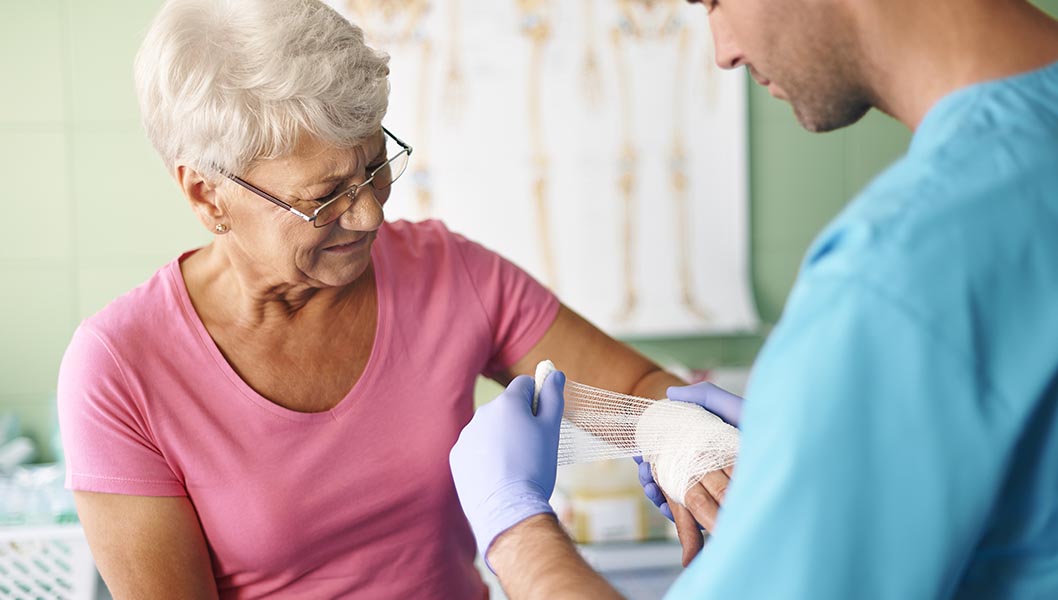
People with diabetes often experience poor circulation, putting them at increased risk for developing slow healing wounds. Our team of wound care experts can help you stay a step ahead and understand the risk factors for slow healing wounds so they don’t get worse.
In addition to poor circulation, other risk factors for developing wounds include high blood sugar levels, varicose veins, and high cholesterol. Knowing these risk factors and taking steps to detect slow healing wounds can prevent them from becoming serious health issues.
Steps include:
Early intervention is key to preventing acute or chronic wounds from developing and our medical team is committed to providing you with the information you need to prevent and recognize slow healing wounds. If you notice a slow healing wound or a wound that has shown no improvement, our wound care specialists are equipped to deliver treatment right here in Hereford.
Learn more and schedule an appointment with our wound care specialists today by calling 806-364-7512.
More about HRMC

Flu Cases Are Rising. There’s Still Time to Get Vaccinated.
Flu activity is increasing across the country, and Texas is

Hospital Investments Yield Strong Patient Satisfaction Scores
Data reveals high marks from patients treated at Hereford Regional
Bringing Kidney Care Closer to Home: How Telemedicine is Changing the Future of Dialysis at HRMC
For many patients living with kidney disease, getting the care