
October 8, 2026
When Sick Season Hits: Flu, Respiratory Illness, and Signs Your Body Needs More Attention
Cough, fever, fatigue, sore throat, congestion, body aches — respiratory illnesses often begin with symptoms that look a lot alike. During fall and winter, flu, COVID-19, RSV, common colds, and other infections can circulate at the same time, and symptoms alone do not always tell you what is causing the illness.
For many people, a respiratory illness is uncomfortable but manageable. For others, symptoms can become more serious or worsen an existing health condition. The important thing is to pay attention to how you are feeling, how symptoms are changing, and whether you have risk factors that make complications more likely.
Flu Can Be More Than a Bad Cold
Flu symptoms often begin suddenly and can include fever or chills, cough, sore throat, runny or stuffy nose, body aches, headache, and fatigue. Some people — especially children — may also have vomiting or diarrhea.
Most people recover, but flu can sometimes lead to complications such as pneumonia or worsening of chronic conditions. Older adults, young children, pregnant women, and people with certain medical conditions are among those who can face a higher risk of serious illness.
“During fall and winter, it can be easy to assume that a cough, fever or fatigue is simply something that is going around, but we want our community to be proactive when symptoms are worsening or something does not feel right,” said Candice R. Smith, MSN, RHCNOC, CCRN, RACR, chief executive officer of Deaf Smith County Hospital District. “Seasonal illnesses are common, but they can become more serious, particularly for people who are already managing other health conditions, so it’s important to get treated before things worsen.”
Watch the Direction Your Symptoms Are Going
During cold and flu season, ask yourself, “What symptoms do I have?” and “Are they improving, staying the same, or getting worse?”
Symptoms that become severe, return after improving, or make it difficult to breathe, stay hydrated, remain alert, or function normally deserve immediate medical attention. If you are at higher risk of complications, contacting a healthcare provider early in the illness can also be important because some treatments work best when started promptly.
Know the Warning Signs That Should Not Wait
Seek immediate medical care for emergency warning signs such as difficulty breathing or shortness of breath, persistent pain or pressure in the chest or abdomen, persistent dizziness or confusion, seizures, severe weakness or unsteadiness, or signs of significant dehydration.
For children, warning signs can include fast or difficult breathing, bluish lips or face, chest pain, dehydration, unusual sleepiness or lack of interaction, seizures, or symptoms that improve and then return or worsen.
These lists are not all inclusive. Any symptom that is severe or concerning should be evaluated by a healthcare professional. Call 911 for a medical emergency or come to the emergency department.
Chronic Conditions Can Make Sick Season More Complicated
Respiratory illnesses can place additional stress on the body. For people living with asthma, diabetes, heart disease, chronic lung disease, or other ongoing health conditions, an infection may also make the underlying condition harder to manage.
Keep medications available, follow the care plan your clinician has given you, and reach out if your usual symptoms or health measurements are changing. Keeping chronic care on track is part of sick-season preparation.
Protect Other People While You Recover
If you are sick with a respiratory illness, staying home and away from others, when possible, can help reduce spread. Good hand hygiene, cleaner indoor air, masking in some situations, and avoiding close contact with people at higher risk can add additional layers of protection.
That matters even more during the holiday season, when families are spending more time indoors and several generations may be gathering together.
Local Resources Are Here When You Need Them
Hereford Health Clinic provides care for cough, cold, flu, fever, upper respiratory infections, and other common illnesses. HRMC also offers lab and imaging services when diagnostic testing is needed.
For serious illness or injury, the Emergency Department at Hereford Regional Medical Center is open 24 hours a day, seven days a week, including weekends and holidays.
Sick season is common. Serious illness should never be dismissed as “just going around.”
Pay attention to your symptoms, take extra care if you or a loved one is at higher risk, and seek medical attention when something is severe, worsening, or simply does not feel right.
Stay well, Hereford. Care is close to home.
More about HRMC

Innovating Rural Health Care from the Ground Up: Hereford Regional Medical Center’s Community Paramedicine Program
Learn how HRMC is using EMS in bold new ways

Deaf Smith County Hospital District EMS Named 2025 EMS Provider of the Year by the Panhandle Regional Advisory Council
Deaf Smith County Hospital District (aka Hereford Regional Medical Center)’s
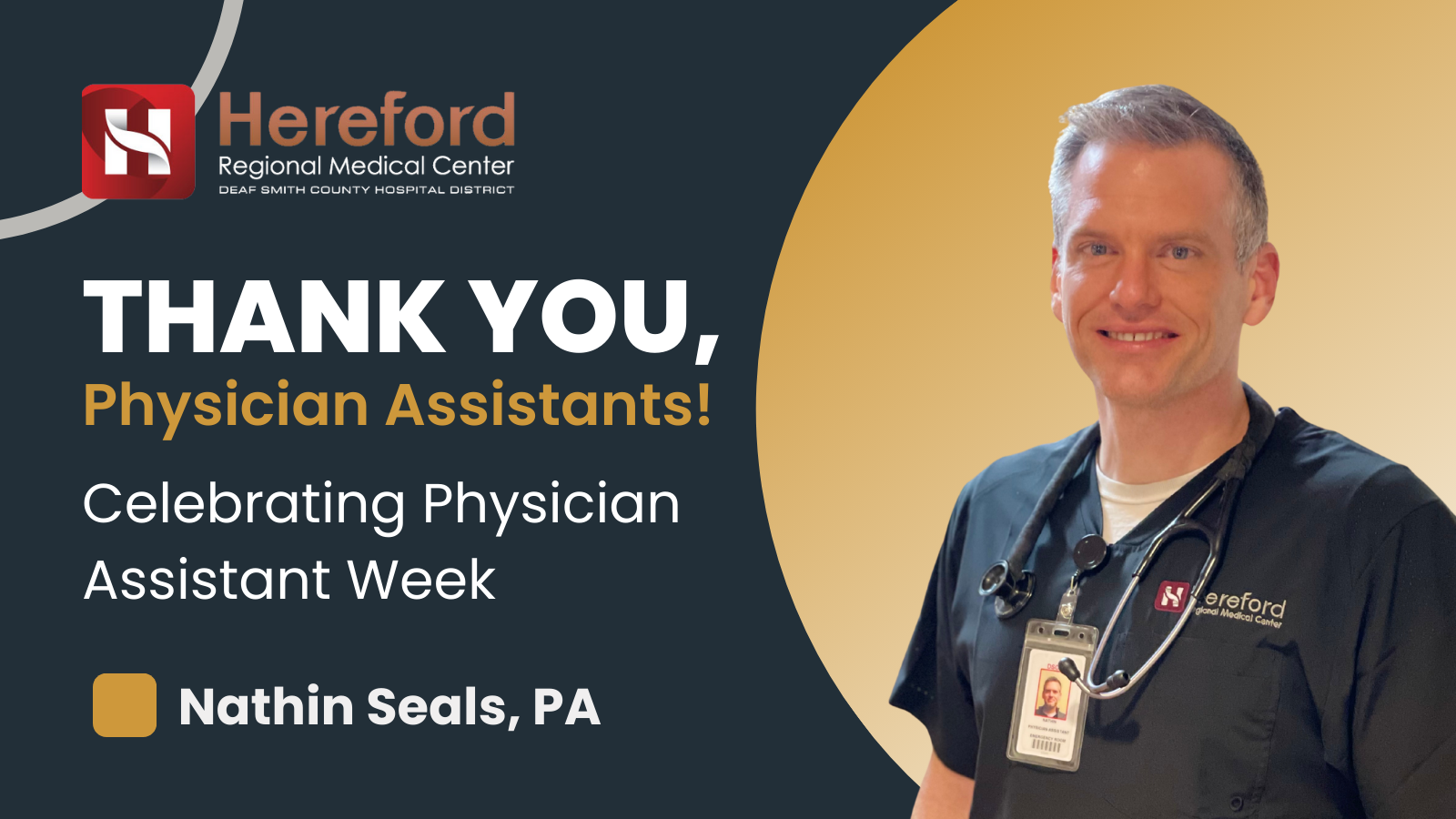
Celebrating Physician Assistant Week 2025: Honoring the Clinicians Who Keep Hereford Health Strong
October 6 – 12 marks Physician Assistant Week, a time